
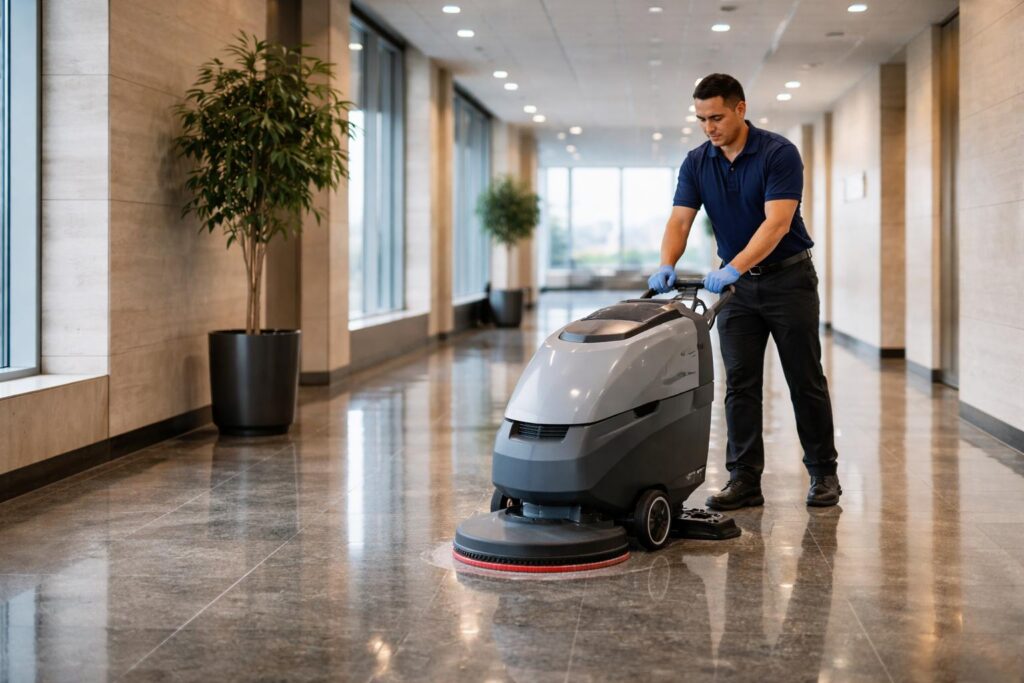
Managing a commercial property has like, a bunch of ongoing expenses, and cleaning is one of those steady things that always comes up. It matters too, because you want the place to stay professional and hygienic. But sure, reducing commercial cleaning costs can’t turn into letting grime slowly build up, ignoring the areas that matter most, or suddenly dropping cleanliness standards, even a little.
What businesses can do is manage the budget by adjusting cleaning schedules, focusing more on busy zones, choosing the right cleaning methods, and partnering with a reliable service provider. If you’re looking for commercial cleaning services in Mississauga, the tricky part is finding a middle ground, where cost control still allows consistent results, and it also matches what your facility actually needs, not some generic checklist.
In this guide, we go over practical ways to cut commercial cleaning expenses without sacrificing cleanliness or service quality, and yeah, without making the whole workplace feel “meh” in a few weeks.
1. Create a Customized Commercial Cleaning Schedule
One of the smartest ways to manage cleaning costs is to build a schedule around the real needs of the workplace. Doing the same cleaning frequency for every corner may not be necessary, especially when some areas get way less traffic than others.
Washrooms, entrance zones, shared kitchens, and reception areas usually need more frequent attention. Meanwhile storage rooms and meeting rooms that are only used now and then might need less routine cleaning, depending on their condition and purpose.
A customized cleaning schedule helps businesses put time and resources where they actually count.
When you plan it, consider:
– The size and layout of the premises, like hallways and how rooms connect
– How many employees are there, plus daily visitors
– High-traffic zones and frequently touched surfaces
– Hygiene requirements tied to the industry
– Seasonal shifts, dirt, moisture, and foot traffic changes
When the schedule is planned well, businesses can remove unnecessary tasks while still keeping the right cleaning level across the whole property.
2. Prioritize High-Traffic Areas
Entrances, corridors, reception desks, elevators, washrooms, and shared workspaces tend to collect dirt faster than many other rooms. And if you skip them, you usually end up paying later, because the cleanup becomes bigger and more time consuming.
Instead of splitting resources evenly across the entire building, focus on the spots that see the most everyday use.
Some practical moves include using the right entrance mats, so less grit gets tracked in, handling spills quickly, and scheduling floor maintenance more often in those heavy walkways where people pass all day.
This more targeted approach helps stop heavy buildup, and it can also reduce the need for intensive deep interventions later.
3. Invest in Preventive Cleaning and Regular Maintenance
If you delay routine maintenance, it can look cheaper at first. But dirt that piles up, and surfaces that aren’t properly cared for, often require longer and more expensive treatments later on.
For example, regular vacuuming keeps dirt under control in commercial carpets, while consistent hard-floor care protects appearance and finish. Tackling smaller cleaning problems early can also reduce the risk of stubborn stains and buildup that becomes hard to remove.
Businesses should set up preventive maintenance for carpets, flooring, washrooms, kitchens, and other high-use spaces.
Depending on the surface and how it’s holding up, specialist services like commercial carpet cleaning, deep cleaning, or floor stripping and waxing might be needed at planned intervals.
The main idea is consistency, not relying only on occasional big clean outs that everyone remembers for days.
4. Choose the Right Commercial Cleaning Services
Not every business needs the same cleaning mix. An office , a retail store, a warehouse, and a medical facility all run differently, so the cleaning approach should reflect that reality.
Before choosing a service package, decide which tasks are truly essential for your premises, and which ones can be handled on a periodic basis instead.
A sensible commercial cleaning plan might involve:
– Routine office and janitorial cleaning
– Washroom and kitchen maintenance
– Carpet and upholstery cleaning
– Commercial floor care
– Periodic deep cleaning
– Cleaning entrances and shared areas
When routine tasks are clearly separated from specialized services, it’s easier to see what you’re paying for, and it’s less likely you’ll end up paying twice for the same thing.
That said, cleaning frequency shouldn’t be reduced below the level needed for hygiene, safety, or industry standards that apply to your type of facility, no exceptions, even if budgets feel tight.
5. Compare Cleaning Quotes Beyond the Initial Price
Picking the cheapest cleaning company sometimes feels like a win, but it doesn’t always mean it’s the best value. Quotes can vary a lot when it comes to what’s actually included, how often visits happen, staffing levels, equipment used, consumables provided, and how quality is monitored.
Before you decide, compare the full scope of each proposal, and not just the number at the top.
Ask the provider things like:
– Which cleaning tasks are included in the quoted price?
– How frequently will each area be cleaned?
– Are cleaning products and supplies included?
– Are specialized services billed separately?
– How do they monitor service quality, like inspections or checks?
– What happens if a scheduled task gets missed
A clear agreement helps businesses understand costs up front, and it lowers the chance of surprise charges later.
And when evaluating commercial cleaning services in Mississauga, think about consistency, communication, and whether they can actually meet your facility needs, while still aligning with the overall cost you’re trying to manage.
6. Use Appropriate cleaning products and equipment
Cleaning efficiency depends partly on picking the right products, equipment , and general approach for each surface. If you use the wrong things it can damage flooring, leave this annoying residue, or end up creating extra maintenance later. And yeah, equipment that’s not a good fit for the facility size or layout can make everything take longer than it should.
A professional cleaning provider typically chooses suitable tools and products based on what the building is made of, the actual cleaning needs, and what the manufacturer recommends , not just whatever is cheapest. Businesses can also chat about more environmentally responsible cleaning options when it makes sense . The final choice should factor in effectiveness, surface compatibility, safety instructions , and the facility requirements, rather than price alone.
7. Reduce workplace clutter and improve waste management
When a workplace is organized it’s usually easier to keep clean. Too many items on desks , obstructed walkways, and messy storage areas can slow down normal cleaning . It also makes it harder for staff to get to surfaces without interruption.
Encouraging employees to keep shared spaces in a good state can help cleaning teams reach things faster and finish assigned tasks more effectively.
Businesses can support the process by:
– Providing clearly identified waste and recycling bins
– Keeping walkways and access points clear, no exceptions
– Setting basic desk and shared-space housekeeping routines
– Making sure cleaning teams can access designated areas
– Letting everyone know about special cleaning requirements ahead of time
These smaller day to day operational adjustments can help scheduled cleaning time get used better, without lowering the service quality.
8. Monitor cleaning quality and track spending
Businesses should periodically review cleaning expenses and the condition of their facilities. Without regular checks, it’s kind of hard to know if the cleaning plan is actually working, or if the resources are being spent in a not-so-efficient way.
A basic quality control approach can include a task checklist, periodic inspections, input from employees, and notes on recurring cleaning problems.
Helpful things to monitor include:
– Monthly cleaning expenditure
– Completion of scheduled tasks
– Recurring complaints, or missed areas
– Condition of floors, carpets, and washrooms
– How often extra or emergency cleaning is needed
– Outcomes from periodic quality inspections
If one area keeps needing extra attention, the business may have to tweak the routine schedule, or fix the deeper cause, instead of just paying for corrective cleaning over and over.
9. Work with a reliable commercial cleaning partner
A dependable cleaning provider can assist businesses in shaping a service plan that matches their premises, operating hours, and budget.
Clear communication helps too—it makes it easier to spot changing requirements, adjust schedules when needed, and deal with service issues before they turn into a repeating problem.
Businesses should look for providers offering a clearly defined scope of work , appropriate cleaning methods, reliable scheduling, and a practical way to review quality.
For companies looking for commercial cleaning services in Mississauga, picking a provider that understands different facility needs can help with better long-term planning and more predictable maintenance costs.
10. Review your cleaning plan as business needs change
A cleaning schedule that works well right now might not fit later, especially if the business grows, shifts operating hours, or sees different levels of foot traffic.
Regular reviews allow businesses to spot chances to improve efficiency without ignoring essential tasks.
For instance, a growing office may need more frequent washroom upkeep, while a seasonal business might require extra cleaning during high-demand periods, then a different schedule when things slow down.
Review the plan when there are major changes in occupancy, facility use, floor conditions, or operational requirements.
The goal isn’t just to spend less on cleaning. The objective is to make sure each cleaning task delivers the right value to the business , every time.
Conclusion
Cutting commercial cleaning costs doesn’t mean a business has to give up cleanliness. With customized timetables, preventive maintenance, focused cleaning tasks, the right tools and, consistent quality reviews, organizations can stretch their cleaning budgets in a smarter sort of way, without all the usual stress.
If you’re looking for commercial cleaning services in Mississauga the best path is to figure out what your facility really needs first, then pick a service plan that keeps cost in check while still staying dependable and delivering steady results.
GME Canada provides commercial cleaning plus facility maintenance options for companies in Mississauga and nearby regions. Take a look at the offered services so you can decide on a workable method for keeping your workplace in good shape while also handling ongoing cleaning needs.
Need commercial cleaning services in Mississauga? Go to GME Canada to find out more, and talk with their team about your facility cleaning requirements.