
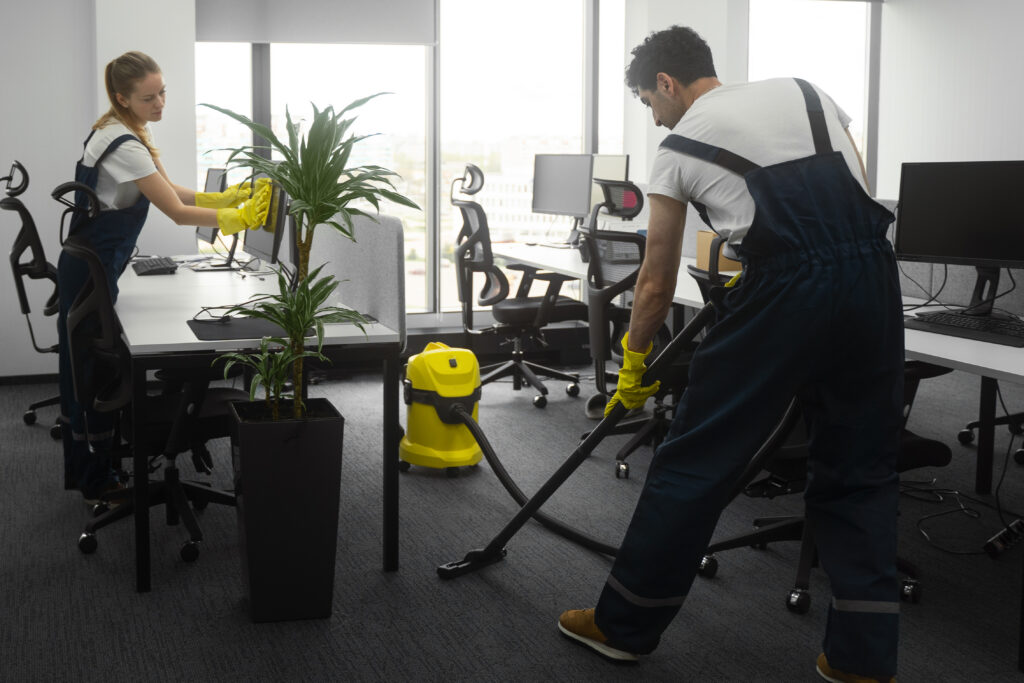
When businesses consider hiring a professional cleaning company, one of the most common questions is: What can a cleaner accomplish in three hours?
The answer depends on several factors, including the size of the facility, the condition of the premises, the number of rooms, the level of foot traffic, and the type of cleaning required. A well-planned three-hour cleaning session, however, can provide substantial routine maintenance for a small or moderately sized commercial property.
For businesses considering commercial cleaning services in Mississauga, understanding how pfrofessional cleaners use their time can make it easier to establish an effective cleaning schedule and set realistic expectations.
What Can a Professional Cleaner Accomplish in Three Hours?
A three-hour cleaning appointment is generally suitable for routine commercial cleaning and maintenance. Rather than attempting to clean every part of a facility in detail, professional cleaners typically prioritize areas that require regular attention.
Depending on the property, a three-hour service may include:
- Dusting and wiping accessible surfaces
- Vacuuming carpets and rugs
- Sweeping and mopping hard floors
- Cleaning and sanitizing washrooms
- Cleaning kitchens and employee break rooms
- Emptying garbage and recycling bins
- Cleaning high-touch surfaces
- Maintaining reception and common areas
- Cleaning interior glass and mirrors
- Performing final inspections and touch-ups
The exact scope of work should be determined according to the property’s cleaning requirements and the client’s priorities.
1. Office and Workspace Cleaning
Office environments require consistent cleaning because employees spend significant amounts of time in these spaces. During a three-hour service, cleaners can focus on maintaining work areas, meeting rooms, reception areas, and other regularly used spaces.
Typical tasks include:
- Dusting desks and accessible surfaces
- Wiping tables and counters
- Cleaning meeting rooms
- Vacuuming carpets
- Mopping hard floors
- Emptying waste bins
- Cleaning frequently touched surfaces
Regular office cleaning helps maintain a professional and organized environment for employees, customers, and visitors.
2. Washroom Cleaning and Sanitization
Commercial washrooms require particular attention because they are frequently used throughout the working day.
A professional cleaner may clean and maintain:
- Toilets and urinals
- Sinks and countertops
- Mirrors
- Floors
- Doors and handles
- Dispensers
- Waste containers
- Frequently touched surfaces
For businesses, maintaining clean washrooms is an important part of overall facility presentation and routine property maintenance.
3. Floor Cleaning and Maintenance
Floors are among the most heavily used areas of any commercial property. Dirt, dust, and debris can accumulate quickly, particularly around entrances and high-traffic areas.
Routine floor cleaning may include:
- Vacuuming carpets
- Sweeping hard floors
- Mopping
- Spot cleaning
- Removing visible debris
- Cleaning entrance areas
More specialized floor treatments, such as stripping, waxing, polishing, or machine scrubbing, may require separate appointments depending on the size and condition of the facility.
4. Kitchen and Break-Room Cleaning
Employee kitchens and break rooms can require frequent cleaning because they are shared spaces.
During a routine cleaning visit, a professional cleaner may:
- Wipe countertops
- Clean tables
- Clean sinks
- Wipe appliance exteriors
- Clean floors
- Empty garbage and recycling bins
- Clean frequently touched handles and surfaces
Keeping these areas clean contributes to a more comfortable and professional workplace environment.
5. Garbage and Recycling Removal
Waste removal is a standard component of many janitorial services in Mississauga.
Depending on the cleaning agreement, cleaners may collect waste from offices, washrooms, kitchens, reception areas, and other designated locations. Bins can then be relined and returned to their appropriate positions.
Consistent waste management helps prevent overflowing bins and keeps common areas orderly.
6. High-Touch Surface Cleaning
Professional cleaners may also give additional attention to frequently touched surfaces during routine service.
These can include:
- Door handles
- Light switches
- Handrails
- Reception counters
- Tables
- Shared surfaces
- Elevator buttons
- Cabinet handles
The exact cleaning and sanitization procedures should be tailored to the type of facility and its operational requirements.
How Is Three Hours of Cleaning Typically Allocated?
The cleaning schedule should be customized rather than following a fixed formula. However, a professional cleaner may organize a three-hour visit approximately as follows:
| Cleaning Area | Approximate Time |
|---|---|
| Washrooms | 30–45 minutes |
| Kitchen/Break Room | 20–30 minutes |
| Vacuuming and Floor Care | 45–60 minutes |
| Dusting and Surface Cleaning | 30–40 minutes |
| Garbage Removal & Final Touch-Ups | 15–20 minutes |
These times are examples only. A larger or heavily used facility may require more time, while a smaller and well-maintained office may require less.
What Factors Determine How Much Can Be Done in Three Hours?
The number of cleaning tasks completed during a three-hour appointment is influenced by several factors.
- Size of the Property
A small office can generally receive more detailed attention than a large commercial facility during the same period.
- Condition of the Facility
A regularly maintained property typically requires less time than a facility with accumulated dirt, stains, clutter, or neglected areas.
- Foot Traffic
Properties with high daily traffic often require additional attention to entrances, floors, washrooms, and common areas.
- Number of Washrooms
The number, size, and usage of washrooms can significantly affect the cleaning schedule.
- Flooring Type
Carpet, tile, vinyl, hardwood, and other flooring materials may require different cleaning methods and equipment.
- Cleaning Frequency
A facility cleaned several times per week may require less work during each visit than a property cleaned only once every few weeks.
- Number of Cleaners
Three hours of service from two cleaners provides substantially more labor time than three hours from one cleaner. For larger commercial facilities, multiple cleaners may be scheduled to complete priority areas efficiently.
Is Three Hours Enough for Commercial Cleaning?
For a small commercial property, three hours may be sufficient for routine cleaning and maintenance. For a larger office, retail location, warehouse, or commercial building, three hours may be better suited to priority areas or used as part of a more frequent cleaning schedule.
This is why professional cleaning companies generally assess the property before recommending a service schedule.
Factors such as building size, employee numbers, customer traffic, operating hours, flooring, washroom usage, and cleaning expectations should all be considered.
Routine Cleaning vs. Deep Cleaning
It is also important to distinguish between routine janitorial cleaning and deep cleaning.
Routine cleaning focuses on maintaining the property through recurring tasks such as:
- Vacuuming
- Mopping
- Dusting
- Washroom cleaning
- Surface cleaning
- Waste removal
- Common-area maintenance
Deep cleaning involves more detailed work, which may include:
- Intensive floor cleaning
- Carpet cleaning
- Detailed washroom cleaning
- Cleaning difficult-to-reach areas
- Cleaning behind or underneath furniture
- Detailed kitchen cleaning
- Removal of accumulated dirt and buildup
A three-hour appointment may accommodate selected deep-cleaning tasks, but a complete deep clean of a large commercial property will generally require additional time.
How Businesses Can Get the Most From a Three-Hour Cleaning Service
Businesses can improve cleaning efficiency by clearly identifying their priorities before service begins.
Establish Priority Areas
Identify areas that require attention during every visit, such as washrooms, reception areas, kitchens, entrances, and high-traffic floors.
Maintain a Cleaning Checklist
A clear checklist helps cleaners understand the property’s expectations and ensures important tasks are consistently addressed.
Keep Work Areas Accessible
Reducing unnecessary clutter allows cleaners to access floors and surfaces more efficiently.
Separate Routine and Specialized Services
Routine janitorial cleaning should be combined with periodic services such as carpet cleaning, floor maintenance, or deep cleaning when required.
Review the Schedule Regularly
Business needs can change as employee numbers, operating hours, customer traffic, or facility usage changes. Cleaning schedules should be reviewed accordingly.
Choosing Professional Commercial Cleaning Services in Mississauga
Selecting the right cleaning provider involves more than simply comparing the number of cleaning hours offered.
Businesses should consider:
- Experience with commercial facilities
- Range of cleaning services
- Staff training and professionalism
- Scheduling flexibility
- Cleaning procedures
- Communication and accountability
- Ability to customize service plans
- Experience with similar property types
A professional commercial cleaning company in Mississauga should be able to evaluate the facility and recommend a cleaning schedule based on its actual requirements.
Why Regular Janitorial Cleaning Matters
A consistent cleaning program helps businesses maintain their premises throughout the working week rather than relying on occasional cleaning.
Regular commercial janitorial cleaning services in Mississauga can support the ongoing maintenance of:
- Offices
- Reception areas
- Washrooms
- Kitchens
- Break rooms
- Hallways
- Entrances
- Common areas
- Commercial floors
A structured cleaning schedule also makes it easier for facility managers to maintain consistent standards and identify areas requiring additional attention.
Frequently Asked Questions
- What can a cleaner do in three hours?
Depending on the property, a cleaner can typically complete routine tasks such as vacuuming, mopping, dusting, washroom cleaning, kitchen cleaning, surface wiping, waste removal, and common-area maintenance.
- Is three hours enough to clean an office?
Three hours may be sufficient for routine cleaning of a small or moderately sized office. Larger offices may require additional hours, multiple cleaners, or more frequent service.
- Can a cleaner deep clean in three hours?
Some deep-cleaning tasks can be completed within three hours, but the amount of work depends on the size and condition of the property. A complete deep clean may require additional time.
- How often should a commercial property be cleaned?
Cleaning frequency depends on factors such as property size, foot traffic, business type, number of employees, and facility usage. Some businesses require daily cleaning, while others may require several visits per week.
- What is included in commercial janitorial cleaning?
Commercial janitorial services commonly include vacuuming, mopping, dusting, washroom cleaning, garbage removal, surface cleaning, and maintenance of common areas. Additional services can be scheduled according to the property’s requirements.
Final Thoughts
So, what will a cleaner do in 3 hours? A well-organized three-hour cleaning session can accomplish a significant amount of routine maintenance, particularly when the cleaning plan is designed around the property’s most important areas.
For businesses, the goal should not simply be to maximize the number of tasks completed within three hours. The focus should be on creating a consistent, professional cleaning program that maintains the facility according to its size, usage, and operational requirements.
For businesses seeking commercial cleaning services in Mississauga, a customized janitorial schedule can provide the flexibility needed to maintain offices, commercial buildings, retail spaces, and other workplaces to a professional standard.